


The Keto Diet. Are we looking at a 'Fad' here?

Last updated: May 2026
You've been hearing the term 'Keto Diet' for a while now - and it hasn't gone away. What started as a niche biohacker conversation has become a well-researched dietary approach followed by everyone from athletes to office workers, and plenty of you reading this have probably experimented with it yourself. The interesting thing? It's not actually new. We remember first hearing about it on the Joe Rogan Experience close to a decade ago, and it's something everyone in the office here has since experimented with at some point. This 'fad' diet, it turns out, has been in documented use long before any of us heard of it.
Initially, the benefits sounded endless and astounding. Weight loss obviously, for one, with the Keto Diet being especially effective for targeting visceral fat - which incidentally, is associated with inflammation and insulin resistance. This latter effect suggests it may be a key ally in fighting type 2 diabetes, with some even reporting a complete cessation of their diabetic symptoms. Shedding pounds has also shown to be more achievable on the Keto Diet than on both traditional calorie restricted and low fat diets, with slimmers sometimes losing up to 2-3 times the weight in the first few weeks than the aforementioned diets - and all without being hungry.
But beyond weight loss and metabolic functioning, you may find the further benefits even more surprising. A common experience for followers of the keto lifestyle is greater overall energy levels, but most interesting to us, was that proponents usually reported greater mental clarity, memory and focus - obviously of interest to the fans of nootropics out there. There is also a growing body of evidence to suggest that the Keto Diet can have a positive effect on diseases such as Alzheimer's and Dementia and anecdotally, we see this from customers who've contacted us directly, relating their experiences of using MCT oil and the Keto Diet to help their elderly loved ones with symptoms of these diseases. The effects of having more stable blood sugar levels in the system, a key characteristic of the Keto Diet, has also shown to greatly lower recurring symptoms of migraines in sufferers and there is even evidence to suggest that the Keto Diet can prove to be more beneficial and have greater mood stabilising effects for sufferers of type 2 Bi-Polar Disorder than medications.
The ketogenic diet also has a long, proven history in the treatment of epilepsy, particularly in children, and is believed to be an effective adjunct in the fight against cancer, as it fosters lower blood sugar levels, whereas cancer cells thrive under high-glucose conditions where there is an abundance of sugar in the bloodstream. There is also ample evidence supporting its use in combating Parkinson's and it has even been used to lower the risk of heart disease in patients.
But what is the Keto Diet and how does it work?
At its core, the Ketogenic Diet is a low carb diet, but unlike Atkins, it's high fat, rather than high protein. It aims to induce the state of ketosis within the body's metabolic system, whereby the body (restricted of carbohydrates to turn in to glucose), burns fat instead. Essentially, the body learns to switch fuel sources and the liver converts both the fat you consume and the fat stored in your body in to water-soluble molecules called 'ketones' that the body uses as fuel in place of glucose. Once in this state of ketosis, your body will continue to burn fat regardless of your exercise levels, and all while providing you with all the benefits discussed above. Incidentally, your brain loves to use ketones for fuel and the keto diet has even been shown to increase the quality of sleep.
So, what does the Keto Diet entail?
Ok, there's a fair bit to it.
There are several versions of the ketogenic diet, with some being more complicated than others (these ones are primarily used by athletes and bodybuilders). The Standard diet however, calls for 75% of calorie intake to be from fats, 20% from protein and just 5% from carbs.
The list of foods to avoid is lengthy. However, so is the list to consume...
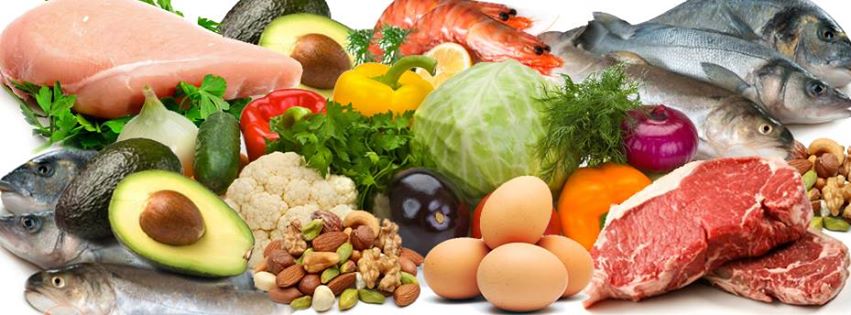
Foods To Eat
Top of the list are meat and fatty fish, so you'll be eating plenty of steak and salmon, ham, bacon, sausage, tuna, poultry, mackerel and trout. These will make up the base of your diet, along with eggs and dairy like butter and cream and yes, all the unprocessed, good cheese you can eat. Healthy fats are essential also, so don't skimp on good extra virgin olive oil and coconut oils and be prepared for avocados by the dozen. Who doesn't like guacamole! You'll be able to eat all the nuts and seeds your heart desires for snacking, so stock up on almonds, pumpkin seeds, chia, walnuts and flax, but unfortunately, peanuts are a no-go as they're technically a legume. Finally, make up the remainder of your food intake with low-carb veggies including tomatoes, peppers, onions and most greens. Basically, if it's a vegetable and it grows above ground, you're good to go. Top Tip: find yourself a good recipe online for 'Keto Pizza'. You can thank us later...
Foods To Avoid
Sugary foods are number one, here. You want to stabilise your blood sugar levels to a lower amount so you can switch to burning ketones for fuel. This means cutting out cake, sweets, fizzy drinks, fruit juices, ice cream and smoothies. Fruit is out too - it's too high in sugar, although small amounts of berries shouldn't kick you out of ketosis. Difficult to fathom for many on these shores, but potatoes are out too, along with sweet potato and carrots, and grains are gone as well - which means bye bye to rice, cereal and pasta. Also on the list are legumes and beans and you'll have to forego most condiments like ketchup and BBQ sauce because they're basically just sugar. Salt, pepper, chilli flakes and vinegar are your new friends.
You'll also have to limit unhealthy fats like mayonnaise and vegetable oils and alcohol turns to sugar so that's out too (although the occasional glass of dry red wine should be ok).
MCT Oil and the Ketogenic Diet
One supplement that has become a genuine staple for keto followers is MCT oil. Because MCTs are converted directly to ketones in the liver - bypassing the usual fat metabolism pathway - they're one of the few supplements that actively supports ketosis rather than just complementing it. We stock Onnit MCT Oil (709ml) - a pure C8/C10 coconut-sourced formula that works well added to coffee, smoothies, or used as a cooking oil for low-heat preparation. Stocked and shipped from Dublin.
Well, is it a 'Fad'?
What fascinates me the most about the keto diet and whether or not it is a 'fad', is the question of whether we're actually supposed to be in ketosis - well, from time-to-time, at least. And there's certainly more to suggest that it's more of a part of us than the contemporary western diet that's high in processed carbs.
Throughout our shared history, humans have always gone through periods of semi-starvation, where scarcity of food sources forced our bodies in to ketosis, out of necessity. Well, at least for our Paleolithic ancestors up until the First Agricultural, Neolithic revolution that occurred between 10,000 BC and 2,000 BC, anyway. It's believed therefore that some of the positive effects of the Keto diet are from the mimicking of early starvation, especially when mixed with some intermittent fasting. Your body believes it's in a low-level fight or flight mode, and this may therefore account for the increase in focus and alertness. So is this 'fad' really just the latest in a long line of trendy, fashionable and novelty diets, or is it maybe something more? Something deep in our genes that flies in the face of our modern, western, sedentary lifestyle that harks back to our primal roots..?
What do you think? Let us know in the comment section below.